Shunda Road, Lincheng Town Science and Technology Industrial Park, Xinghua City, provincia Jiangsu

Koše na tepelné spracovanie sú špecializované priemyselné kontajnery určené na uchovávanie, ochranu a prepravu automobilových komponentov cez prísne tepelné cykly, ako je žíhanie, nauhličovanie a kalenie. V automobilovej výrobe sa používajú na zabezpečenie toho, aby kritické časti – ako sú prevody, ventily motora a hriadele náprav – dosahovali presné metalurgické vlastnosti tým, že umožňujú rovnomerné rozloženie tepla a rýchle chladenie bez prekážok. Poskytnutím stabilného prostredia pre diely pri extrémnych teplotách, Koše na tepelné spracovanie priamo ovplyvňujú životnosť, bezpečnosť a výkon moderného vozidla.
Zásadný význam košov na tepelné spracovanie v presnom strojárstve
Automobilový priemysel funguje na princípe extrémnej spoľahlivosti. Každý komponent v rámci spaľovacieho motora alebo elektrického hnacieho ústrojenstva musí vydržať tisíce hodín prevádzky pri vysokom zaťažení. Na dosiahnutie tejto úrovne odolnosti musia oceľové a hliníkové diely prejsť tepelným spracovaním. Pec je však len polovicou rovnice. The Koše na tepelné spracovanie používané na prenášanie týchto častí sú rovnako dôležité.
Bez vysokej kvality Koše na tepelné spracovanie časti by boli vystavené nerovnomernému zahrievaniu, čo by viedlo k mäkkým bodom alebo vnútorným napätiam, ktoré spôsobujú predčasné zlyhanie. Vo veľkoobjemových automobilových výrobných linkách sú tieto koše navrhnuté tak, aby maximalizovali priepustnosť pri zachovaní celistvosti jednotlivých dielov. Zabraňujú tomu, aby sa diely dotýkali spôsobmi, ktoré by bránili toku kalových alebo nauhličovacích plynov, čím zaisťujú, že každý zub ozubeného kolesa a ložiskový povrch spĺňajú požadovanú Rockwellovu stupnicu tvrdosti.
Kľúčové aplikácie v rámci automobilového pracovného toku
1. Povrchové kalenie a nauhličovanie
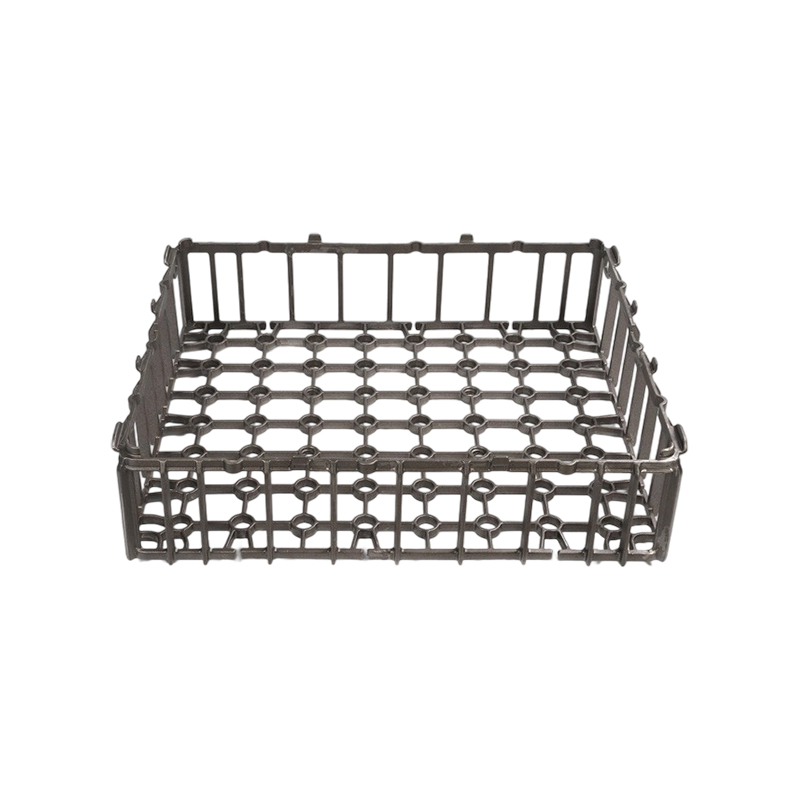
V prípade dielov, ako sú vačkové hriadele a hnacie kolesá, musí byť povrch neuveriteľne tvrdý, aby odolal opotrebeniu, zatiaľ čo jadro zostáva tvárne, aby absorbovalo nárazy. Koše na tepelné spracovanie uľahčite to držaním dielov vo vertikálnej alebo špecifickej orientácii, čo umožňuje plynom bohatým na uhlík cirkulovať 360 stupňov okolo komponentu. Moderný dizajn s otvorenou sieťovinou Koše na tepelné spracovanie je špeciálne navrhnutý tak, aby zabránil „tieneniu“, kde rám koša blokuje plyn dostať sa k dielu.
2. Proces kalenia
Snáď najnásilnejšou fázou výroby automobilov je ochladzovanie. Časti sa presúvajú z pece s teplotou 900 °C priamo do nádrže s olejom, vodou alebo polymérom. Koše na tepelné spracovanie musia byť postavené tak, aby vydržali tento „tepelný šok“. Ak sa kôš počas kalenia zdeformuje, môže sa zaseknúť automatický dopravníkový systém, čo vedie k hodinám prestojov. Okrem toho musí kôš umožniť, aby kvapalina okamžite vnikla dovnútra, aby ochladila diely špecifickou rýchlosťou; inak sa oceľ nepremení na požadovanú martenzitovú štruktúru.
Výber materiálu pre automobilové koše na tepelné spracovanie
Výrobcovia automobilov nemôžu používať štaardnú oceľ Koše na tepelné spracovanie . Neustále cyklovanie medzi extrémnym teplom a rýchlym ochladzovaním by spôsobilo, že by sa obyčajná oceľ ošúchala, odlupovala a nakoniec by sa zrútila. Namiesto toho sa používajú pokročilé zliatiny:
- Zliatiny s vysokým obsahom niklu: Poskytuje vynikajúcu odolnosť voči nauhličovaniu a oxidácii pri teplotách do 1150°C.
- Zliatiny Chrome-Moly: Používa sa v Koše na tepelné spracovanie ktoré vyžadujú vysokú pevnosť pri tečení, aby sa zabránilo prehýbaniu pri veľkom zaťažení.
- Nerezová oceľ 330 alebo 310: Priemyselný štandard pre koše, ktoré vyžadujú rovnováhu medzi nákladovou efektívnosťou a odolnosťou pri vysokých teplotách.
Porovnávacia analýza: Dizajnové variácie v košoch na tepelné spracovanie
Voľba medzi rôznymi Koše na tepelné spracovanie dizajn závisí od hmotnosti automobilových dielov a konkrétneho typu použitej pece (vsádzkové vs. kontinuálne).
| Typ košíka | Automobilový prípad použitia | Kľúčová výhoda | Faktor trvanlivosti |
| Vyrábané koše z drôteného pletiva | Malé upevňovacie prvky, skrutky a piestne krúžky. | Maximálny prietok vzduchu a najrýchlejšie rýchlosti ochladzovania. | Vysoká (Najlepšie pre teplotný šok). |
| Odlievané zliatinové koše | Ťažké bloky motora a veľké skrine prevodoviek. | Mimoriadne tuhý; pojme tisíce libier. | Stredná (v priebehu času náchylná na praskanie). |
| Košíky z vlnitej lepenky | Univerzálne automobilové hriadele. | Vynikajúci pomer pevnosti a hmotnosti. | Vysoká (odolná voči deformácii). |
Technické výzvy: tečenie a tepelná únava
V kontexte 24/7 automobilovej výroby, Koše na tepelné spracovanie čeliť dvom hlavným nepriateľom: Creep and Tepelná únava .
Creep je tendencia pevného materiálu pohybovať sa pomaly alebo trvalo deformovať pod vplyvom mechanického namáhania. Pretože Koše na tepelné spracovanie noste ťažké automobilové prevody pri teplotách, kedy sa kov stáva „plastom“, košíky sa môžu prehýbať. Inžinieri proti tomu bojujú použitím zosilnených podlahových roštov a strategicky umiestnených podporných rebier.
Tepelná únava dochádza, pretože kôš sa pri zahrievaní rozťahuje a pri ochladzovaní sťahuje. Tento opakujúci sa pohyb namáha zvarové spoje. Špičkový Koše na tepelné spracovanie využívajú „plávajúce“ konštrukcie, kde sieťka nie je pevne privarená k rámu, čo umožňuje prirodzenú expanziu bez praskania konštrukcie.
Posun smerom k elektrickým vozidlám (EV) a ľahkým košíkom
Ako sa automobilový svet otáča smerom k elektrickým vozidlám, požiadavky na Koše na tepelné spracovanie sa menia. Komponenty EV, ako sú hriadele vysokorýchlostných motorov a tenkostenné kryty batérií, vyžadujú ešte prísnejšie tolerancie.
Okrem toho existuje obrovský tlak na energetickú efektívnosť. Ťažký Kôš na tepelné spracovanie funguje ako "chladič" - absorbuje energiu, ktorá by mala ísť do častí. Navrhnutím ľahkého, vysoko pevného Koše na tepelné spracovanie Výrobcovia môžu znížiť „mŕtvu hmotnosť“ v peci až o 30 %, čím výrazne znížia spotrebu elektriny alebo plynu na vyrobený diel. Ide o zásadný krok k dosiahnutiu uhlíkovo neutrálnych výrobných cieľov do roku 2026 a neskôr.
Údržba a optimalizácia životnosti
Ak chcete maximalizovať návratnosť investícií Koše na tepelné spracovanie , automobilové závody dodržiavajú prísne protokoly údržby:
- Pravidelné vyrovnávanie: Hydraulické lisy sa používajú na korekciu menších deformácií predtým, ako sa stanú bodom zlyhania.
- Monitorovanie atmosféry: Zabezpečte, aby sa atmosféra pece nestala príliš korozívnou, ktorá by rozožrala Koše na tepelné spracovanie .
- Rozloženie zaťaženia: Školenie operátorov, aby rovnomerne rozložili váhu, aby sa zabránilo lokalizovanému namáhaniu podlahy koša.
Často kladené otázky (FAQ)
Otázka: Prečo nemôžem namiesto koša použiť pevnú krabicu?
Odpoveď: Pevná skrinka bráni rýchlemu a rovnomernému dosiahnutiu hasiaceho oleja alebo plynu z pece. Koše na tepelné spracovanie sú navrhnuté s pórovitosťou, aby sa zabezpečilo, že stred záťaže bude ošetrený presne ako obvod.
Otázka: Ako ovplyvňuje hmotnosť koša konečnú cenu automobilového dielu?
Odpoveď: Ťažší kôš vyžaduje na zahriatie viac paliva. Vo veľkovýrobe automobilov prechod na zapaľovač Kôš na tepelné spracovanie môže ušetriť desiatky tisíc dolárov ročných nákladov na energiu.
Otázka: Aká je typická životnosť košov na tepelné spracovanie v továrni 24/7?
Odpoveď: V závislosti od zliatiny a teploty kôš zvyčajne vydrží 18 až 36 mesiacov, kým si únava kovu vyžiada kompletnú výmenu.
Otázka: Môžu sa tieto koše použiť na hliníkové automobilové diely?
Odpoveď: Áno, ale požiadavky sa líšia. Hliník sa spracováva pri nižších teplotách, takže Koše na tepelné spracovanie môžu byť vyrobené z rôznych zliatin, ktoré uprednostňujú hladkosť povrchu, aby sa zabránilo značeniu mäkších hliníkových častí.
Záver
Od najmenšej skrutky až po najkomplexnejší prevodový systém, Koše na tepelné spracovanie zohrávajú základnú úlohu v ekosystéme výroby automobilov. Nie sú to len nádoby, ale precízne skonštruované nástroje, ktoré určujú metalurgický úspech komponentu. Ako sa priemysel posúva smerom k zložitejším architektúram EV a prísnejším štandardom udržateľnosti, vývoj Koše na tepelné spracovanie —zameranie na pokročilé zliatiny, ľahké konštrukcie a maximálnu tepelnú účinnosť — bude aj naďalej hlavnou hnacou silou automobilových inovácií. Investícia do vysokej kvality Koše na tepelné spracovanie je doslova investícia do štrukturálnej integrity vozidiel na našich cestách.